Bespoke CRM vs HubSpot or Salesforce: What a 10-Person Business Should Choose in 2026
By Amit Saini, founder of Vimana Digital · Published 2026-10-To confirm: day
For a 10-person UK business, HubSpot or Salesforce is usually cheaper unless you need the professional tiers. Ten HubSpot Professional seats cost about £10,200 a year and Salesforce Core £18,720. A focused bespoke CRM at £15,000–£30,000 can break even in two to six years, but only if your process genuinely doesn't fit a subscription.
How much do HubSpot and Salesforce cost for ten users in the UK?
These are list prices per user per month, excluding VAT, on annual billing, as published in 2026. Multiply by ten seats and twelve months and you get the annual bill.
| Plan | Per user per month | Ten seats, per year | Source |
|---|---|---|---|
| HubSpot Sales Hub Starter | £18 | £2,160 | SpotDev, prices checked July 2026 |
| HubSpot Sales Hub Professional | £85 | £10,200 | SpotDev, July 2026 |
| HubSpot Sales Hub Enterprise | £135 | £16,200 | SpotDev, July 2026 |
| Salesforce Sales Cloud Starter | £20 | £2,400 | Salesforce UK, October 2026 |
| Salesforce Pro Suite | £80 | £9,600 | Salesforce UK, October 2026 |
| Salesforce Sales Cloud Core | £156 | £18,720 | Salesforce UK, October 2026 |
Three things the headline prices hide:
- Not everyone needs a full seat. HubSpot sells extra Core seats at about £40 a month (SpotDev, 2026). A firm with four salespeople and six colleagues who only view records might pay 4 × £85 plus 6 × £40, or about £6,960 a year on HubSpot Professional.
- Onboarding is extra. HubSpot's own page quoted one-off onboarding fees of US$1,500 to US$3,500 on its Professional and Enterprise tiers when our research team checked.
- Prices move. Salesforce raised Enterprise and Unlimited prices by an average 6% from 1 August 2025 (Salesforce, June 2025). HubSpot rose around 5% at migration or renewal in 2025 (SaaStr, 2025). Vertice's SaaS Inflation Index reached 16.4% in June 2026 (Vertice, 2026).
What does each option cost over five years?
A CRM is a five-year decision, so here is the five-year picture for ten seats. The subscription rows assume 5% a year rises for HubSpot and 6% for Salesforce, in line with 2025's increases. The bespoke rows use published UK build ranges: £8,000–£15,000 is the "most common" band in one guide (Jabu Designs, 2026), and £15,000–£35,000 is another agency's MVP range (Softomate, 2026). Hosting and support of £4,000–£5,000 a year is our assumption for illustration To confirm: Vimana to confirm its own build and support bands.
| Option (ten users) | Year one | Five-year total | Break-even vs bespoke |
|---|---|---|---|
| HubSpot Starter, flat price | £2,160 | £10,800 | Bespoke never catches up |
| HubSpot Professional, +5% a year | £10,200 | about £56,400 | Benchmark |
| Salesforce Core, +6% a year | £18,720 | about £105,500 | Benchmark |
| Bespoke CRM: £15,000 build + £4,000 a year | £19,000 | £35,000 | About 2.4 years vs HubSpot Pro; about 1 year vs Salesforce Core (flat prices) |
| Bespoke CRM: £30,000 build + £5,000 a year | £35,000 | £55,000 | About 6 years vs HubSpot Pro; about 2.2 years vs Salesforce Core (flat prices) |
Break-even is the build cost divided by the yearly saving (licence minus support). For £30,000 against HubSpot Professional: £30,000 ÷ (£10,200 − £5,000) ≈ 5.8 years. Price rises bring that date forward; adding seats brings it forward faster.
So the honest reading is this. If HubSpot Starter covers you, stay there. If you're on a professional tier, or about to need one, a bespoke CRM is worth pricing properly. If you're on Salesforce Core with ten users, the gap is wide enough that a focused bespoke build often pays for itself within the first few years.
When should a small business stick with HubSpot or Salesforce?
Stay with a subscription when:
- Your sales process is standard. Lead, qualify, quote, win. Every CRM does this well.
- You use the marketing tools. HubSpot's email, landing pages and automation are hard to match bespoke for the money.
- You're under about five paying seats on a starter tier.
- Nobody internally will own a bespoke system. The most-repeated line on Quora about CRMs is that "the greatest features are worthless if nobody uses them".
- You want an app marketplace and a product team adding features you didn't ask for.
The second-hand consensus on Reddit is similar: small teams start on HubSpot's free tier and only "feel the pricing bite within a year" once they need professional features (vedain roundup, 2026).
When is a bespoke CRM the better choice?
Build when:
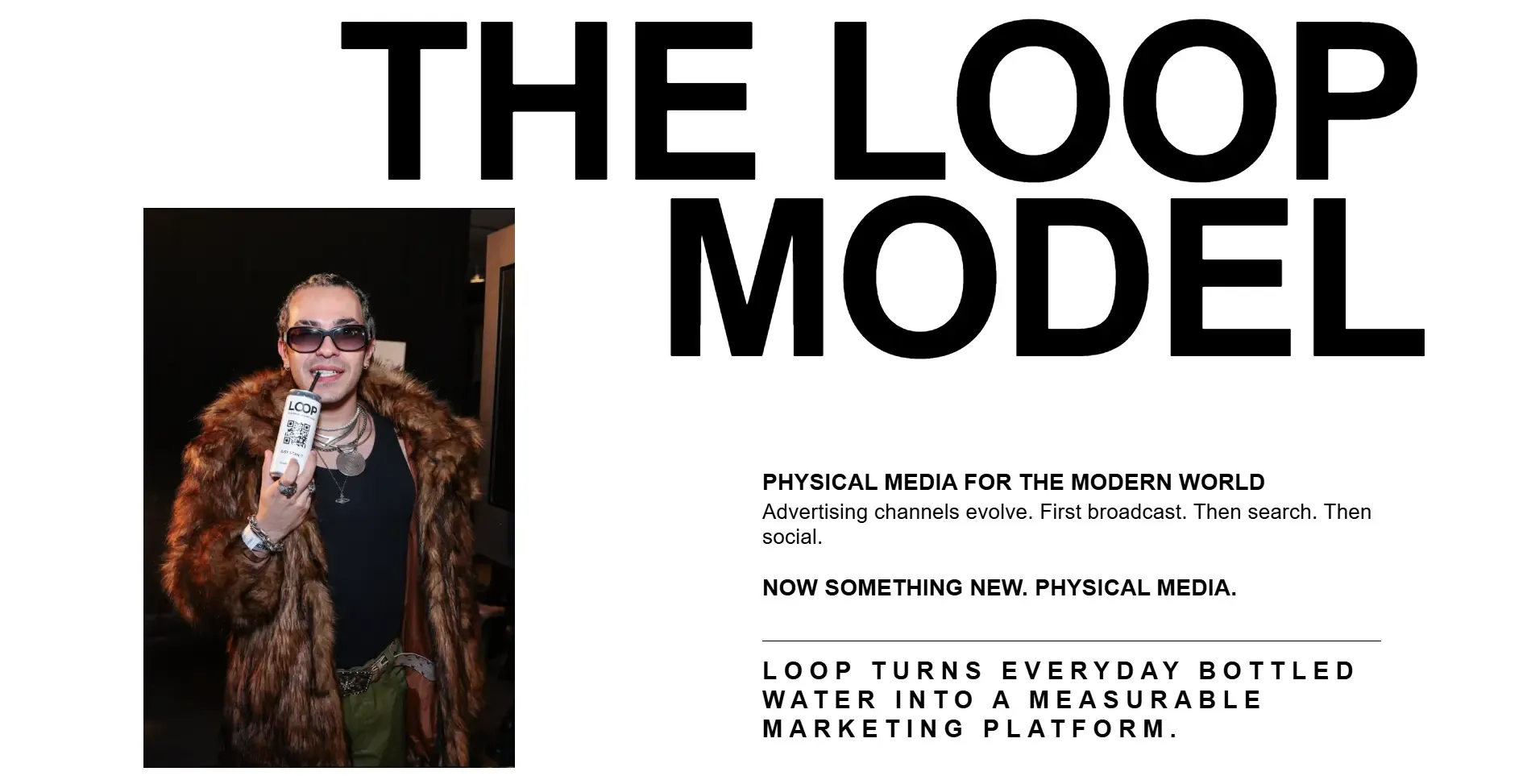
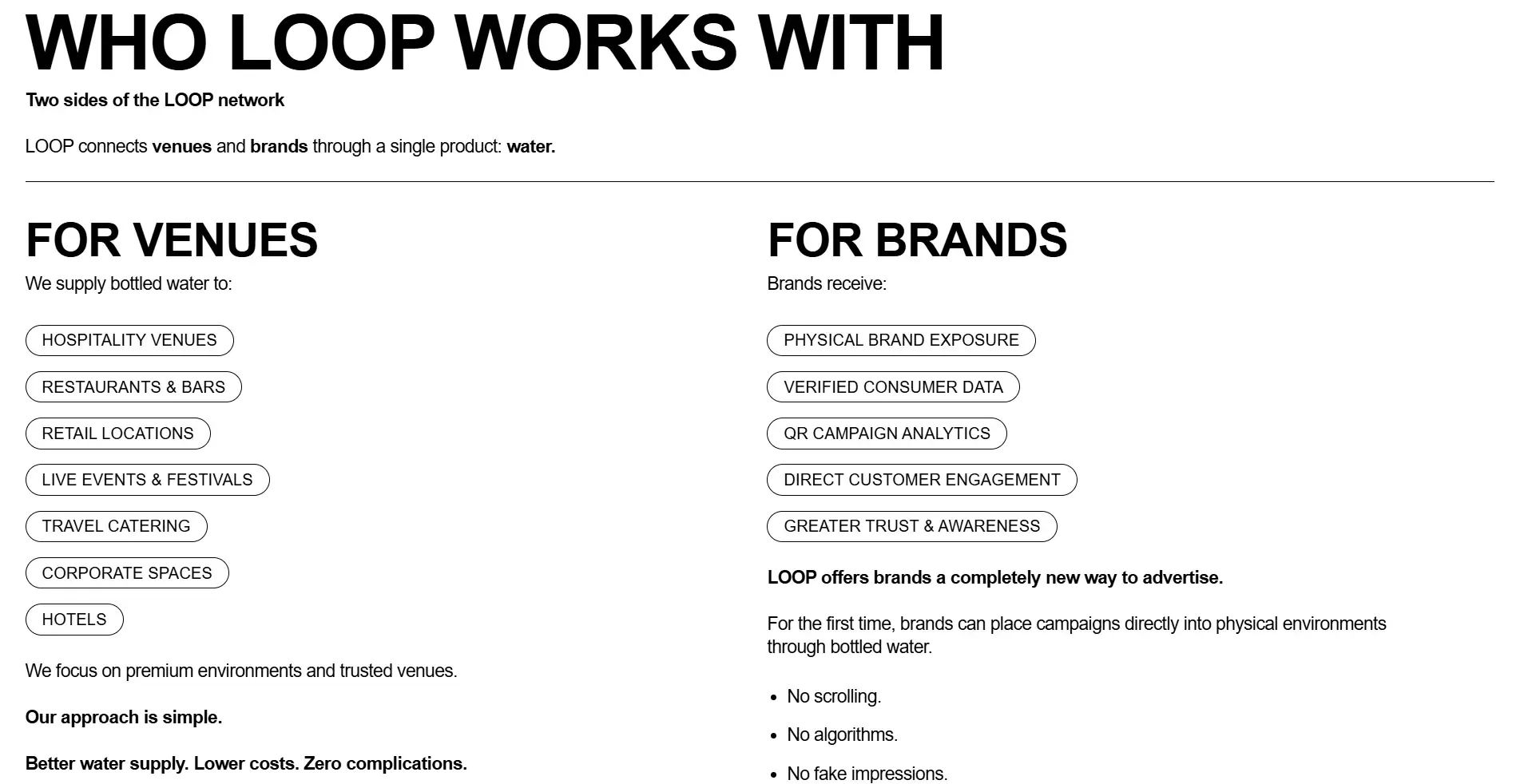
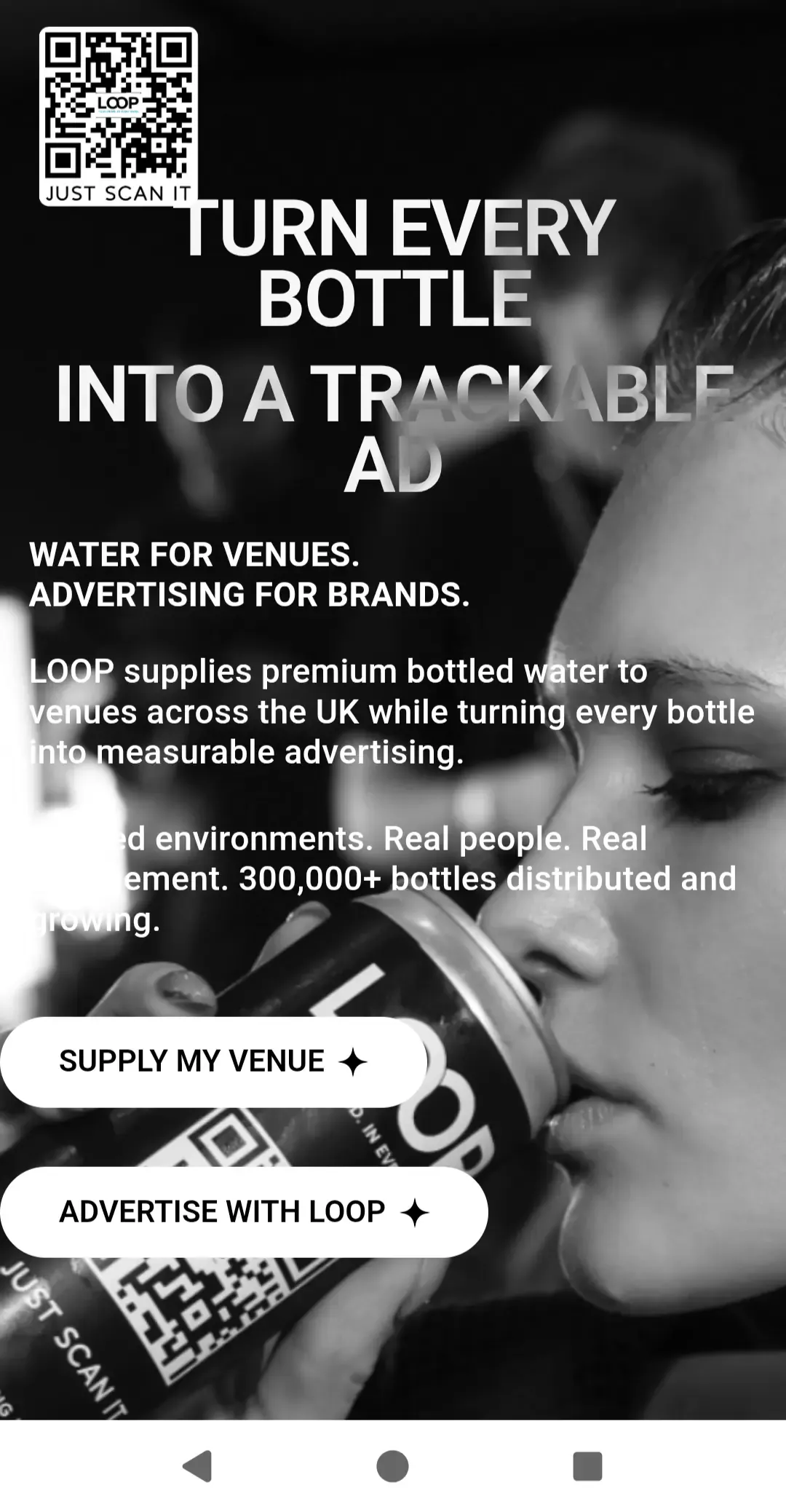
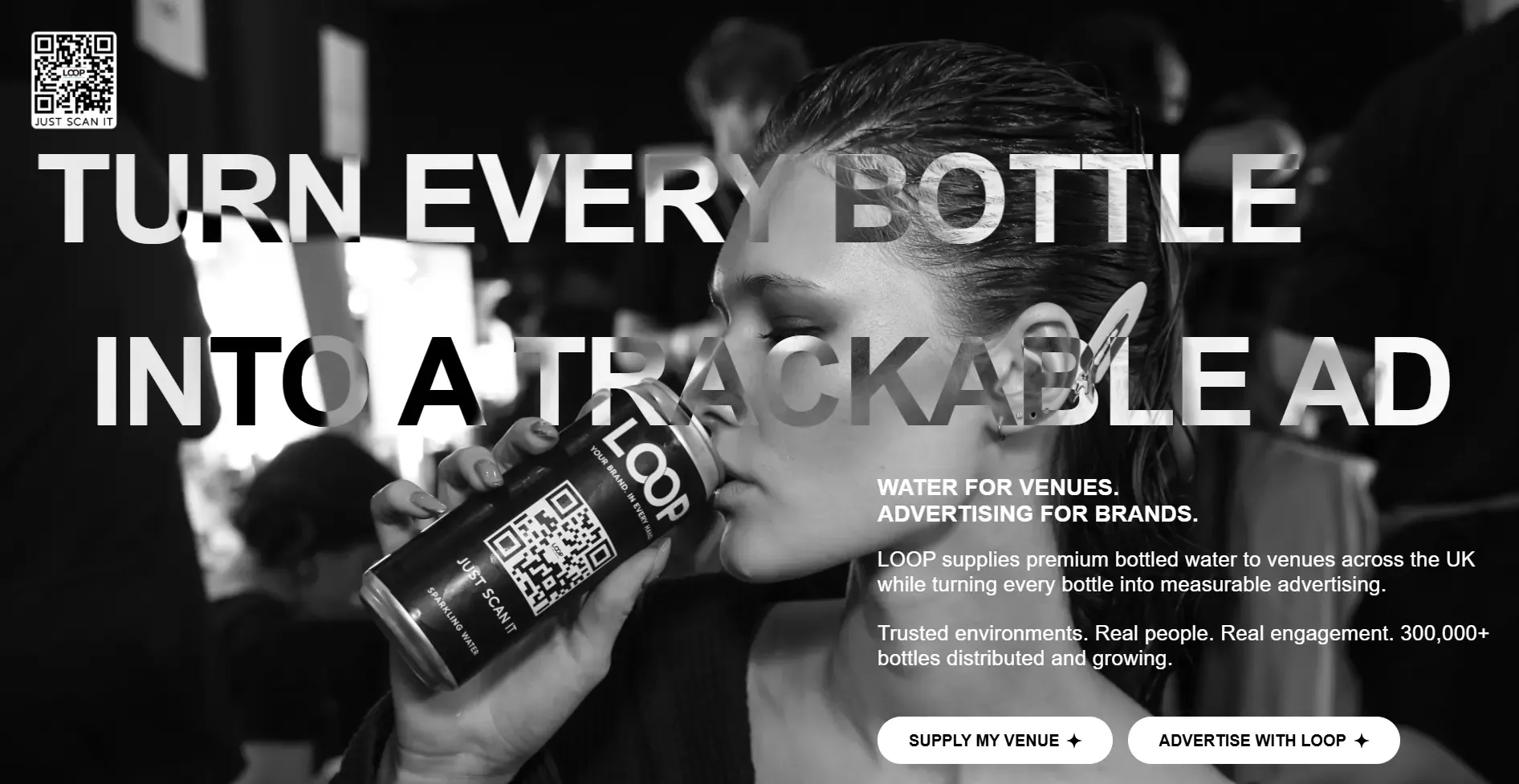
- Your process is the product. Loop Co supplies branded water with a QR code on every can. Its CRM creates a campaign per client, routes each QR code to that client's promotion and records engagement. No subscription CRM is built around that model (Loop Co case study).
- Customers need to log in. Loop's clients can see their campaign data through their own CRM access, as well as through reporting.
- You're paying several tools to do one job. For Notts County Foundation we built a CRM alongside bespoke donation software, reducing reliance on subscription donation plugins, all in one joined-up build (Notts County Foundation).
- The CRM must talk to systems a vendor doesn't support: a stock system, a legacy database, a production schedule. Our ERP development page covers the operations side.
- Manual document work sits next to the sales process. For Webro we built an AI workflow that reads emailed purchase orders, matches part numbers and prepares quotes: up to 48 hours became around two minutes (Webro).
There is also a middle route people forget. Keep HubSpot's free or starter tier for marketing, and build a small bespoke system for the operational part that doesn't fit. Two tools, each doing what it is good at.
What are the hidden costs of a bespoke CRM?
Subscription costs are visible. Bespoke costs are easier to underestimate, so name them before you sign:
- 1Discovery and specification. A written spec with screens before any code is written. Skipping it is the most expensive saving you can make.
- 2Data migration. Cleaning duplicates and mapping fields from spreadsheets or an old CRM is its own piece of work.
- 3Integrations. Each one (Xero, Outlook, website forms) is scoped separately. Xero moved to tiered API pricing in 2026, though a single business connecting its own account fits the free tier (Apideck, 2026).
- 4Hosting, security and updates. Framework and server updates continue for the life of the system. You are now the data controller for a system you own, so UK GDPR "data protection by design" applies from the start (ICO, 2026).
- 5Your team's time. Sprint demos and testing need someone from the business, every fortnight.
And one hidden cost on the subscription side: exit. Leaving a platform after five years means exporting data, rebuilding automations and retraining people. Ask any vendor, or any developer, how you would leave before you join.
What we've learned building CRMs for small teams
The CRMs we've built started from a business model, not a feature list. Loop Co's was shaped by one question: how does a scan on a can become a number a client can see? Notts County Foundation's was built alongside its donation software and accessibility tools, without third-party plugins. In both cases the off-the-shelf alternative would have meant bending the organisation to fit the tool.
We will also tell you to buy HubSpot when that is the right answer. Clients describe the way we work like this:
"Vimana Digital are precise in their work, understand concepts perfectly and will keep you updated throughout the process." (Elisium Bookings Team)
"Amit is very knowledgeable and has been very patient with us, responding quickly to any changes we have asked for (and there has been a lot of changes!)." (Excel Process Systems Ltd)
5.0 from 50 Google reviews.
Where to go next
If the five-year numbers point towards building, our bespoke CRM development page covers what goes into a Vimana CRM, how we migrate your data, integrations, and published UK cost ranges by scope. For a wider build-or-buy scorecard across all business software, see bespoke software development.
Bespoke CRM vs HubSpotand Salesforce: yourquestions answered
Not covered here? Call and ask. We reply within 24 hours.
Is a bespoke CRM worth it for a small business?
Only sometimes. If HubSpot or Salesforce starter tiers cover your process, a subscription is cheaper and quicker. A bespoke CRM is worth it when your workflow is unusual, customers need their own login, you pay for several overlapping tools, or professional-tier licences for your whole team cost more each year than hosting and supporting your own system.
How much does HubSpot cost for 10 users in the UK?
At 2026 list prices, ten seats of HubSpot Sales Hub cost about £2,160 a year on Starter (£18 per seat per month), £10,200 on Professional (£85) and £16,200 on Enterprise (£135), excluding VAT and onboarding fees (SpotDev, 2026). Confirm current GBP prices on HubSpot's own site before budgeting .
Is Salesforce too expensive for a 10-person business?
Not at the entry level. Salesforce Sales Cloud Starter lists at £20 per user per month in the UK, so ten users cost £2,400 a year. The jump comes with Sales Cloud Core at £156, or £18,720 a year for ten users (Salesforce UK, 2026). At that tier, a focused bespoke CRM can pay for itself within a few years.
How long does it take to build a CRM for a small team?
A starter CRM covering one pipeline, contacts, tasks and basic reporting typically takes three to six weeks after discovery. A team CRM with quotes, email and Xero integration usually takes six to twelve weeks. Published UK agency guides give similar ranges (Jabu Designs, 2026; Softomate, 2026), and you see working software at each sprint demo.
Can we keep HubSpot and add a bespoke system?
Yes, and for some businesses it is the best answer. Many keep HubSpot's free or starter tier for email marketing and lead capture, then build a small bespoke system for operations that HubSpot doesn't handle, such as campaign routing, client portals or document processing. The two can share data through HubSpot's API .
Send us your current CRM bill, your seat count and a sketch of how a deal moves through the business. We'll run the five-year numbers with you and tell you honestly whether to build, extend or stay put.
Get a quote