The EMCCA Business Investment Fund Explained: What Nottingham and Derby SMEs Need to Know
By Amit Saini, founder of Vimana Digital · Published 23 October 2026 · Updated 12 November 2026
The EMCCA Business Investment Fund is an £8.1m, four-year grant programme for businesses in Derby, Derbyshire, Nottingham and Nottinghamshire. It offers match-funded grants of £2,500 to £200,000, covering up to 40% of eligible costs, for growth, larger investment and energy-efficiency projects. Details went live on the EMCCA Growth Hub in November 2026; applications start with an Expression of Interest.
What is the EMCCA Business Investment Fund?
EMCCA is the combined authority led by the elected Mayor of the East Midlands, Claire Ward. It covers the two cities and two counties of Derby, Derbyshire, Nottingham and Nottinghamshire. On 7 September 2026 it announced a Business Investment Fund for the area's SMEs. Here is what the announcement and the Growth Hub's grant pages confirm (EMCCA, September 2026; EMCCA Growth Hub, 11 November 2026):
- Size and length: £8.1m over four years.
- Reach: about 500 businesses supported, with £19m of additional business investment expected alongside the grants.
- Business Growth Grant: £2,500 to £50,000 for projects that develop new ideas, products or services, improve processes or ways of working, raise productivity and create jobs. At least 24 months' trading.
- Business Investment Grant: £50,001 to £200,000 for bigger investments such as new technology, new products or new markets. At least 36 months' trading.
- Business Energy Efficiency Grant: £2,500 to £50,000 for energy-saving equipment, technology and process changes. At least 12 months' trading.
- Rate: each grant covers up to 40% of eligible project costs; your business funds the rest from its own money or external finance.
- How to apply: an Expression of Interest first, then a full application if invited, through the EMCCA Growth Hub, whose business advisers can help you prepare.
The Mayor framed it as risk-sharing: "Businesses across the East Midlands are navigating an increasingly challenging and uncertain economic climate," she said, adding that "this fund is designed to help make that investment less risky" (EMCCA, September 2026).
The fund is one line in a bigger budget. EMCCA's £107m Local Growth Fund, approved on 29 June 2026, also includes £7m for Scale Up support, £2.4m for local business support, £1.8m for increasing exports, £4.3m for digital connectivity and £12.3m for innovation and cluster development (EMCCA, June 2026).
What do we know, and what hasn't been published yet?
Most articles about a new grant repeat the press release. The more useful question is what you cannot yet rely on. As of 12 November 2026:
| Question | Status | What to assume for now |
|---|---|---|
| Who runs it? | Confirmed: EMCCA, via the East Midlands Growth Hub | Register with the Growth Hub now |
| Which areas? | Confirmed: Derby, Derbyshire, Nottingham, Nottinghamshire | Leicester firms need the Business Gateway Growth Hub instead |
| Total budget | Confirmed: £8.1m over four years, for about 500 businesses | Plan a focused project, not a full transformation |
| Grant size per business | Published: £2,500 to £50,000 (Business Growth Grant, Business Energy Efficiency Grant); £50,001 to £200,000 (Business Investment Grant) | Match your project to the right strand |
| Share of the project the grant pays | Published: up to 40% of eligible costs | You must fund at least 60% yourself, from your own money or external finance |
| Eligible costs in detail | Applicant Guidance "coming soon" | New products, processes, ways of working and new technology are named; whether software development or subscriptions count is unconfirmed |
| Opening date and deadlines | Details published 11 November 2026; Expression of Interest form "coming soon"; no deadline announced | Have your project scoped before it opens |
| Can you start before approval? | Not published yet | Assume no. Spend committed before approval is usually ineligible |
Because the grant pays up to 40%, the size of your project decides the size of grant you can reach. Our arithmetic from the published rate:
| Grant you want | Smallest eligible project at 40% | Your share (at least 60%) |
|---|---|---|
| £2,500 (the minimum) | £6,250 | £3,750 |
| £20,000 | £50,000 | £30,000 |
| £50,000 (top of the Growth and Energy Efficiency grants) | £125,000 | £75,000 |
| £200,000 (top of the Investment Grant) | £500,000 | £300,000 |
Whether VAT counts as an eligible cost isn't stated yet, so budget for it on top until the Applicant Guidance says otherwise.
Who is likely to be eligible in Nottingham and Derby?
The grants are for SMEs with premises, or plans to locate to premises, in the four EMCCA areas. Minimum trading history is 12 months for the energy grant, 24 months for the Business Growth Grant and 36 months for the Business Investment Grant. You'll also need to show the project is financially viable, that it wouldn't happen without the grant, and that you've received less than £315,000 in public subsidy over the current and previous two financial years, including this grant. "SME" in UK public funding usually means fewer than 250 staff. The Business Investment Grant page also mentions larger businesses in its introduction while its eligibility list says SME, so check the Applicant Guidance if you have 250 or more staff.
That is a large pool. Nottingham alone has 9,940 VAT or PAYE-registered enterprises, and 8,560 of them employ fewer than ten people (ONS UK Business Counts via Nomis, March 2026). The city's biggest sectors by count are wholesale and retail (1,650), construction (1,015), accommodation and food (815), administrative and support services (760), health (660) and real estate (620). It also has 570 information and communication businesses, the largest digital cluster of the four areas we work in.
Derby has 7,565 enterprises, with transport and storage (565) unusually prominent for a city its size (ONS, March 2026). With roughly 500 grants across all four areas over four years, competition for each round could be real. The applications that stand out will be the ones that explain a specific productivity problem with numbers attached.
Could the technology grant pay for software?
The Business Growth Grant supports projects that develop new products or services, improve processes or ways of working, and raise productivity; the larger Business Investment Grant names introducing new technology. Whether that includes bespoke software development, configuration of an off-the-shelf system, or neither, will depend on the Applicant Guidance, which EMCCA lists as coming soon. If software is in scope, these are the kinds of project that make a clear productivity case:
- Replacing re-keying with one system. Quotes in a spreadsheet, jobs on a whiteboard, invoices in Xero, and someone copying between them. A focused CRM or job system with a Xero integration removes the copying. See CRM development.
- Automating document-heavy work. For Webro, a Midlands cable and connector supplier, we built an AI agent that reads emailed purchase orders, matches customer part numbers to Webro's own and prepares the quote for approval. Up to 48 hours of processing became around two minutes (Webro case study).
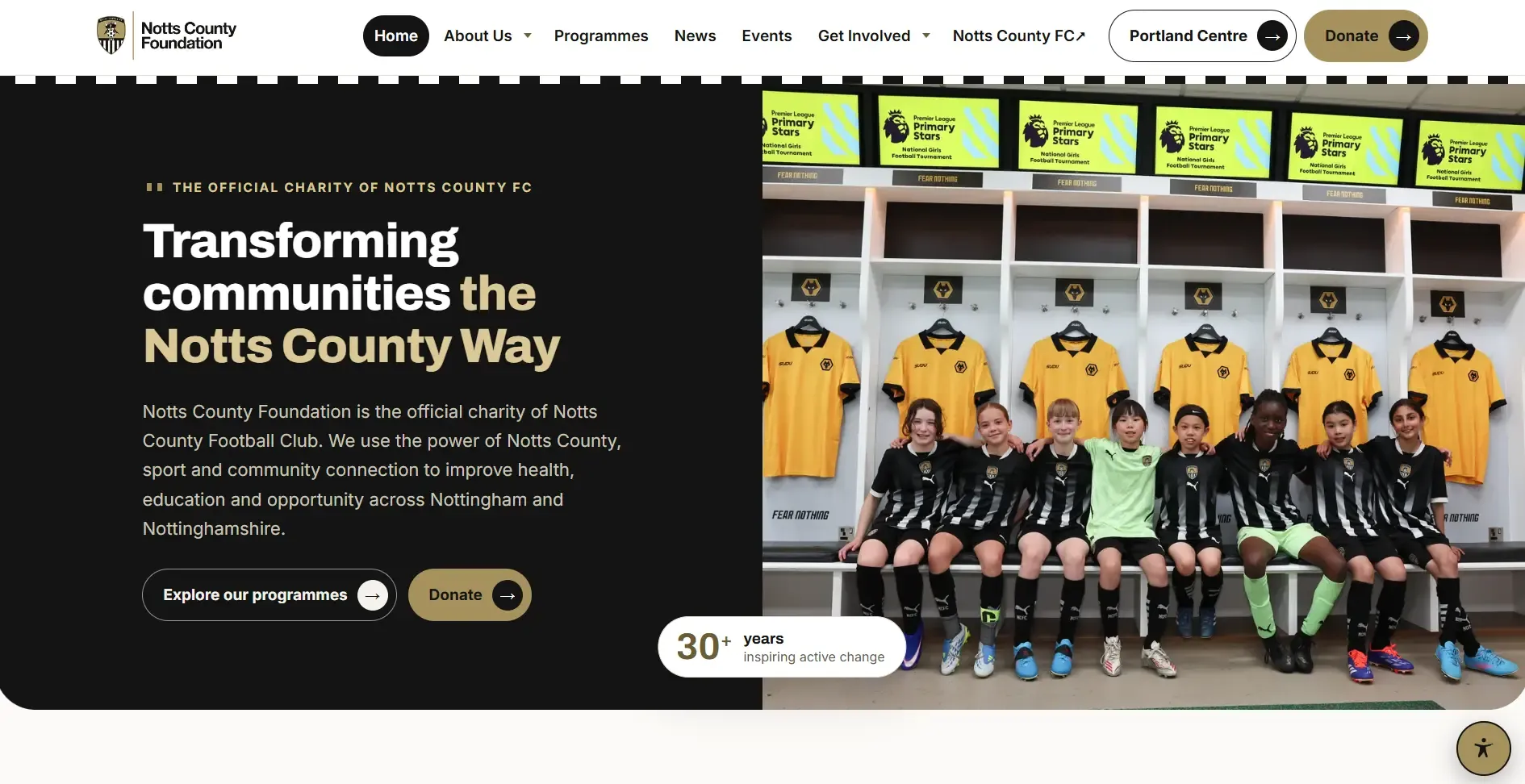
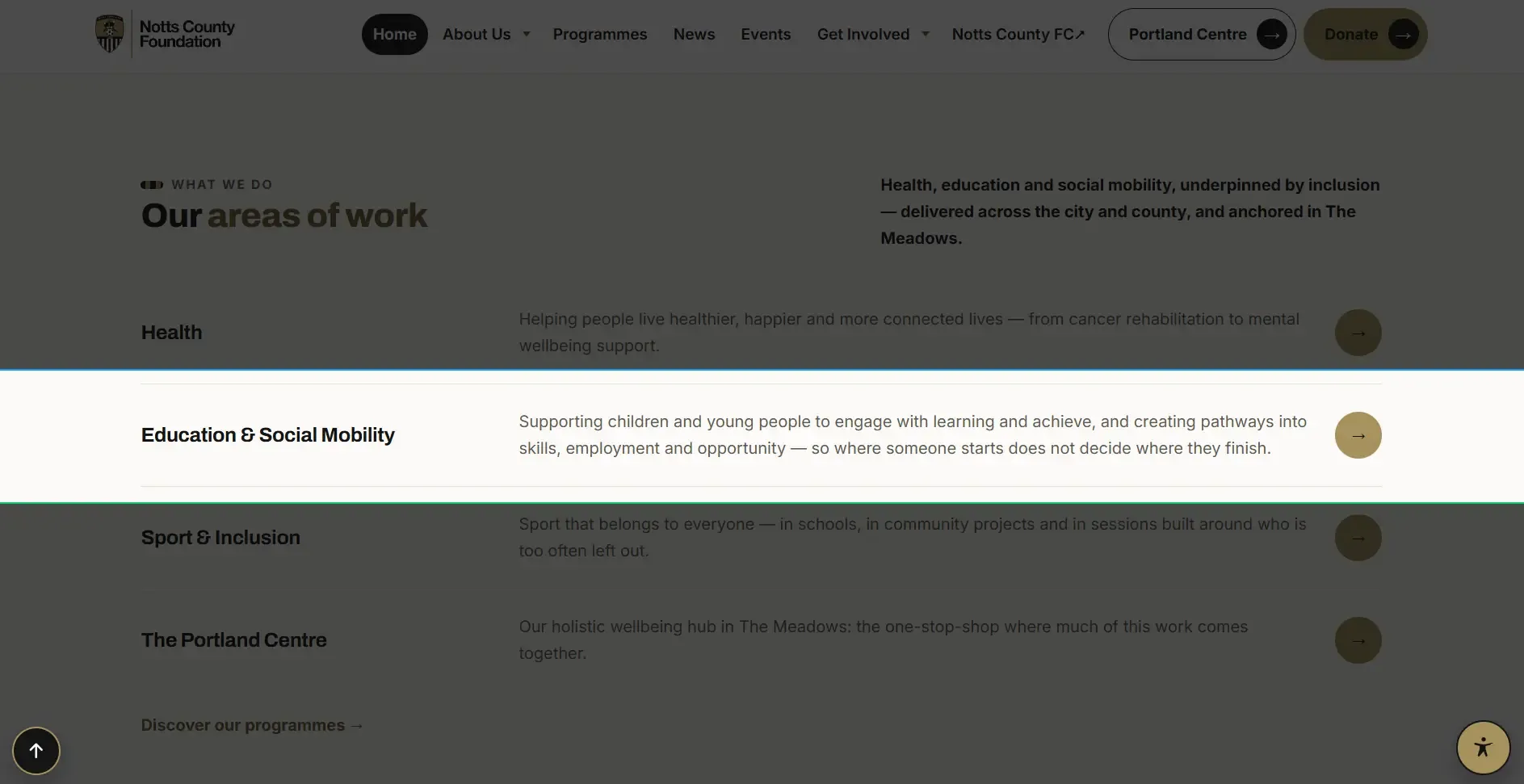
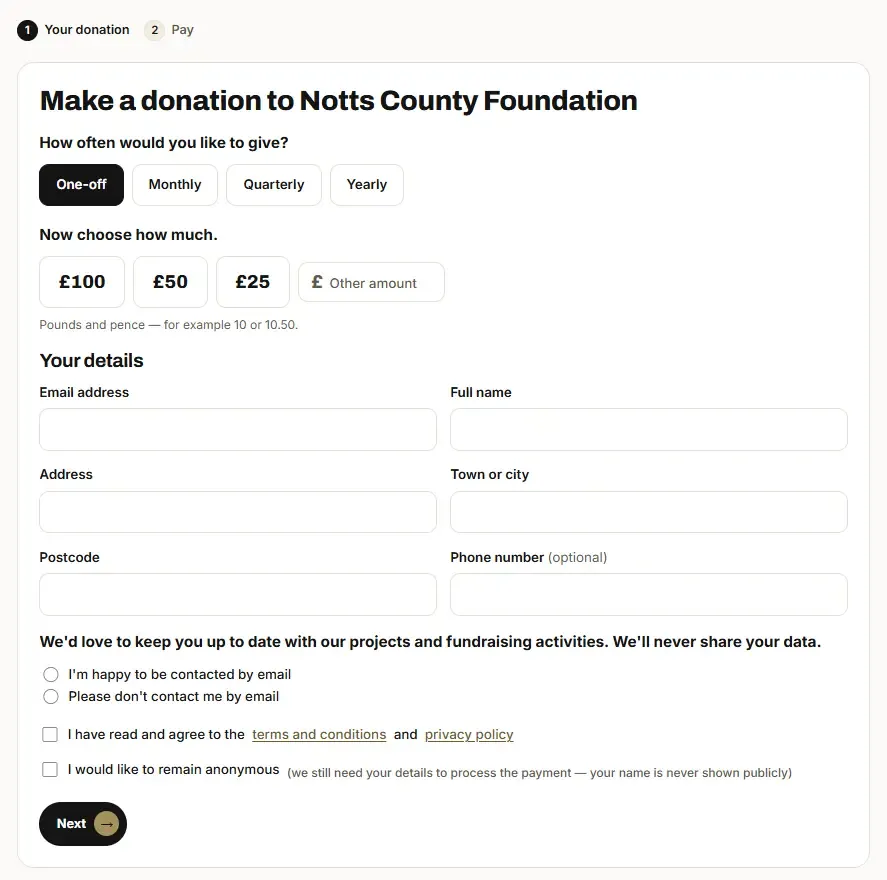
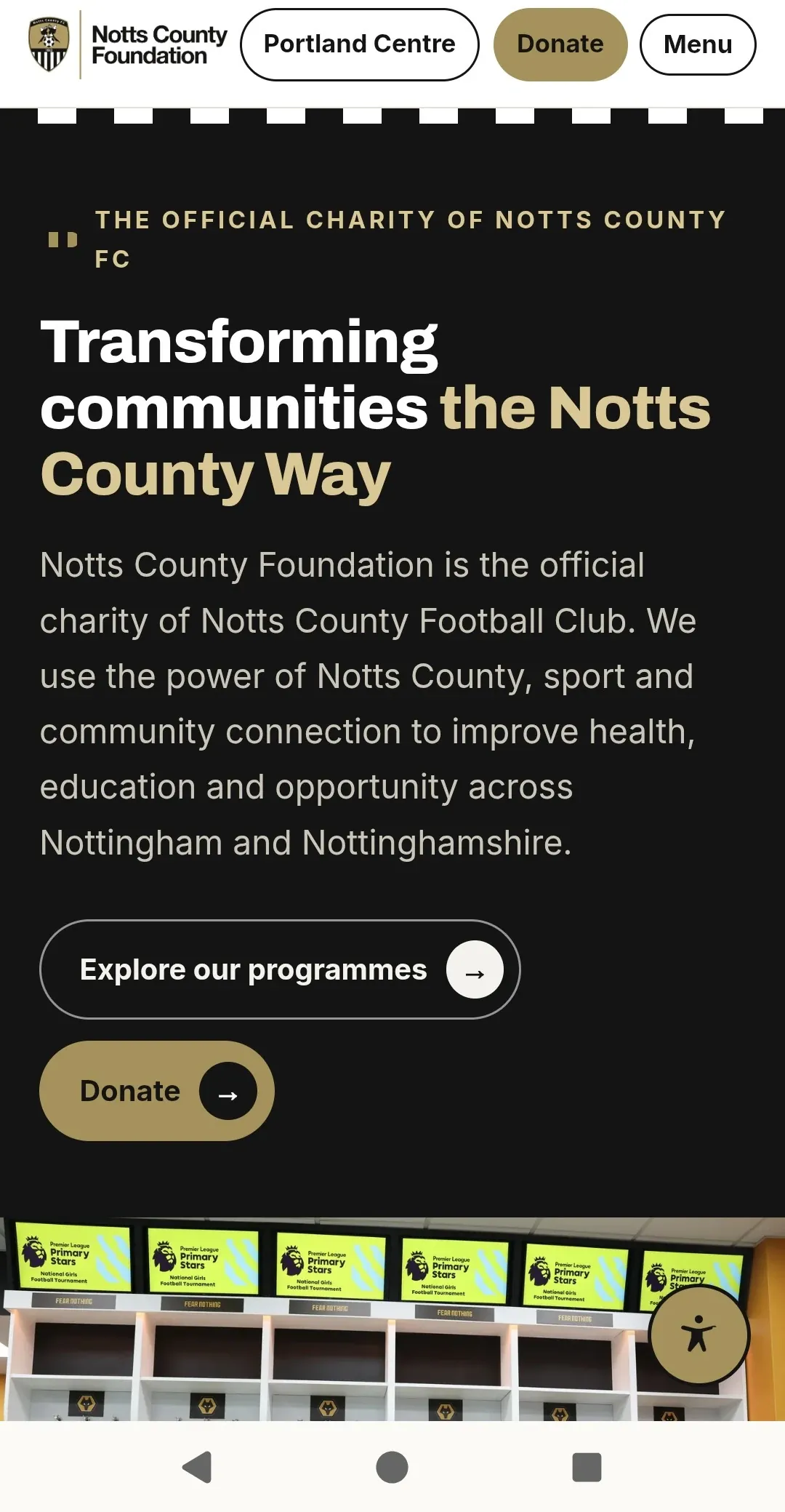
- Removing subscriptions you have outgrown. For Notts County Foundation, the official charity of Notts County FC, we built donation software and an accessibility toolkit into the platform instead of renting plugins, avoiding those ongoing plugin fees (Notts County Foundation).
- Giving customers self-service. Loop Co's bespoke CRM captures campaign engagement data and makes it available to Loop's clients through reporting or their own CRM access (Loop Co).
- Online booking and ordering that takes payment and fills the diary without a phone call.
Two cautions. First, a new brochure website is unlikely to read as a productivity investment; if that's what you need, start with budgeting for a Nottingham website instead. Second, if a £20-a-month tool already does the job, an assessor may ask why you need a grant for a bespoke build. We would ask the same.
How should you prepare before the fund opens?
- 1Register with the East Midlands Growth Hub. It is the named application route, and EMCCA says its business advisers can help you develop your project and prepare your application (0333 006 9178).
- 2Pick one bottleneck. "Quotes take two days" is a project. "Go digital" is not.
- 3Measure the baseline. Hours per week, error rates, orders lost, overtime. Productivity grants are judged on the change, so you need a before figure.
- 4Get a scoped, fixed quote. An assessor needs a defined project, a cost, a timeline and the outcome you expect. Our discovery phase produces a written specification with a fixed price per phase, which is the shape an assessor needs. The Growth Hub also says you may be asked for three quotes, so gather comparable quotes early.
- 5Check your share. The grants cover up to 40% of eligible costs, so make sure you can fund at least 60% and any VAT.
- 6Don't commit spend early. Wait for approval before signing or paying a deposit.
- 7Stack carefully. If you also plan to claim R&D tax relief, take advice on how grant funding affects the claim.
What else can Nottingham and Derby businesses use?
- Made Smarter East Midlands for manufacturers adopting digital tools: matched grants of up to £20,000 at 50%, running to 31 March 2027. We cover it in Made Smarter East Midlands explained.
- Scale Up programme (£7m in the Local Growth Fund), part of EMCCA's tailored support for businesses of different sizes; delivery details had not been announced when we checked in November 2026 (EMCCA, June 2026).
- R&D tax relief where development resolves genuine technical uncertainty: a 20% taxable credit under the merged scheme for periods from 1 April 2024 (HMRC; ICAEW, 2024). Take professional tax advice.
Nottingham City Council previously ran a Productivity and Growth Grant of up to £5,000, funded by the UK Shared Prosperity Fund, but it has closed. We couldn't find an open council digital grant for Nottingham or Derby in November 2026, so be wary of anyone who says otherwise without a link.
What we've learned helping East Midlands firms fund and scope software
Support schemes work best when they put the right problem in front of the right people. Our Webro project came through an East Midlands Chamber business adviser. We were asked to review the technical brief before the client was discussed in detail, and to say whether we could solve it. We proposed three weeks. It was only afterwards that we found out a previous team had been given three months and handed the brief back unfinished.
The brief came first, and the result was measured against the old process: up to 48 hours of work down to around two minutes. That is also how a strong grant application reads: problem, measurement, scope, outcome.
The other lesson is to be honest when the answer is "don't build". Clients notice:
"Great service, knowledgable and personable. No over sell and honest advice from someone at the top of their industry" (Karundeep Bal)
"No sales jargon, or pushiness, and very reasonable pricing." (Charlotte Allen)
5.0 from 50+ Google reviews.
Where to go next
If you are in Nottingham or Nottinghamshire and have a process that could justify a grant, our software development Nottingham page explains what we build, how a build-or-buy decision works and what bespoke systems cost. Derby and Derbyshire firms should see software development in Derby. For AI-specific projects, see AI automation in Nottingham.
EMCCA BusinessInvestment Fund: yourquestions answered
Not covered here? Call and ask. We reply within 24 hours.
How much is the EMCCA business grant?
The total fund is £8.1m over four years, expected to support about 500 businesses (EMCCA, September 2026). Grants are £2,500 to £50,000 under the Business Growth Grant and Business Energy Efficiency Grant, and £50,001 to £200,000 under the Business Investment Grant, each covering up to 40% of eligible costs (EMCCA Growth Hub, November 2026).
When does the EMCCA Business Investment Fund open?
EMCCA published the grant details on the Growth Hub website on 11 November 2026. Applying has two stages: an Expression of Interest, then a full application if invited. When we checked on 12 November 2026 the Expression of Interest form was marked "coming soon" and no deadline had been announced. Registering with the Growth Hub now is the simplest way to hear when it opens.
Can a Leicester business apply?
No, based on the announcement. The fund covers Derby, Derbyshire, Nottingham and Nottinghamshire, the EMCCA area. Leicester and Leicestershire businesses should ask the Business Gateway Growth Hub (0116 454 2917) what local funding is currently open.
Does the fund cover software or AI projects?
Possibly. The Business Growth Grant covers projects that develop new products or services or improve processes and ways of working, and the Business Investment Grant names introducing new technology. Whether bespoke software, AI automation or software subscriptions qualify will depend on the Applicant Guidance, which was not yet published in November 2026. Projects with a measurable productivity gain, such as removing manual re-keying, will make the strongest case.
Can I start my project and claim the grant afterwards?
Assume not. Most public grants treat spending committed before approval as ineligible, and EMCCA's Applicant Guidance had not been published when we checked in November 2026. Get your project scoped and quoted now, submit when the fund opens, and only sign contracts or pay deposits once approval is confirmed in writing.
Show us the process that slows your business down. We'll tell you plainly whether bespoke software, automation or an off-the-shelf tool is the answer, and give you a written scope with a fixed price per phase that you can take to the Growth Hub.
Get a quote